Alberta, Canada
Explore Alberta
From the Canadian Rockies and turquoise lakes to prairie landscapes and vibrant cities, Alberta offers very different ways to experience Western Canada. Discover destinations, local experiences, and guides who can help you explore Alberta your way.
Planning a trip to Alberta: what to know before you go
Alberta is one of Canada’s most geographically diverse provinces to explore. The Canadian Rockies dominate its western landscape, but travel farther east and you’ll find rolling foothills, open prairie, the unusual formations of the Canadian Badlands, and cities such as Calgary and Edmonton.
For travellers, this variety creates an important question before building an itinerary: what kind of Alberta trip do you actually want? A week spent hiking in the Rockies is very different from a road trip combining mountain towns, cities, prairie landscapes and the Badlands.
Here are the essentials to understand before deciding where to go.
What is Alberta known for?
Alberta is best known internationally for the Canadian Rockies, particularly Banff and Jasper National Parks. Turquoise glacial lakes, mountain highways, hiking trails, wildlife and winter sports make this region one of Canada’s major tourism destinations.
But the Rockies are only part of Alberta.
The province is also home to the Canadian Badlands, where erosion has created hoodoos, coulees and exposed layers of rock containing an extraordinary fossil record. Around Drumheller, dinosaur history becomes one of the defining reasons to visit.
Elsewhere, Alberta transitions through foothills and enormous prairie landscapes, while Calgary and Edmonton offer a completely different urban experience. Alberta therefore works particularly well for travellers who want to combine nature, road trips, wildlife, outdoor activities, history and local culture rather than spend an entire trip in one type of destination.
How many days do you need in Alberta?
There isn’t one ideal trip length because Alberta is large and its major destinations are spread across the province.
If your main goal is Banff and Lake Louise, several days can give you time for the major sights and some activities. Combining Banff and Jasper requires more time, especially because the journey between them along the Icefields Parkway is itself part of the experience rather than simply transportation.
With a week or more, you can start thinking beyond a single destination: Calgary + Banff + Jasper, for example, or Calgary + the Rockies + Drumheller.
The bigger mistake is trying to see too much. Alberta may look manageable on a map, but mountain roads, sightseeing stops, weather and the distances between regions can make an overpacked itinerary exhausting.
Do you need a car to explore Alberta?
Not necessarily, but it depends heavily on your itinerary.
Travellers can reach and explore some of Alberta’s most popular destinations using buses, shuttles and local transit. Banff in particular has transportation options that make a car-free trip possible.
A vehicle becomes much more useful when you want to travel between several regions, reach less-connected locations or build a flexible road trip.
This creates a useful distinction:
- Visiting one major destination? You may be able to travel without renting a car.
- Exploring Alberta as a province? A car will usually give you considerably more flexibility.
And if you don’t want to drive, private tours and local guides can provide another way to reach places that are difficult to incorporate into a transit-based itinerary.
What is the best time to visit Alberta?
There is no single best month because Alberta changes dramatically with the seasons.
- Summer (June–August) brings long daylight hours and the broadest access to hiking, lakes and mountain sightseeing. It’s also the busiest period in many of the Rockies’ most popular destinations.
- Fall (September–October) brings cooler weather, fewer visitors in some areas and seasonal colour. In the Rockies, the brief period when alpine larches turn gold is particularly distinctive.
- Winter (November–March) transforms the mountains into a destination for skiing, snowshoeing, skating and snowy landscapes. Travellers should be prepared for cold temperatures and winter driving conditions.
- Spring (April–May) is a transition period. Conditions vary substantially by elevation: cities and prairie regions may already feel like spring while mountain trails and lakes can remain covered by snow or ice.
Instead of asking “When is Alberta best?”, decide what you actually want to experience and choose the season around it. Each season offers a different way to explore Alberta, from waterfalls and wildlife in spring to hiking, golden larches, and winter adventures in the Rockies.
Spring
Waterfalls, wildlife and peaceful exploration
Explore powerful waterfalls fed by melting snow, spot wildlife returning to the valleys, and enjoy scenic drives and quieter trails before the summer crowds arrive. Spring is a great time for photography, nature walks, and discovering the fresh mountain landscapes of the Rockies.
Summer
Hiking, lakes and unforgettable mountain adventures
Experience the best of the Rockies with world-famous hikes, turquoise lakes, scenic drives, canoeing, gondola rides, and guided outdoor adventures. With long daylight hours and full access to mountain destinations, summer offers endless opportunities for sightseeing and exploration.
Fall
Golden larches, colourful landscapes and quieter adventures
Discover golden larch forests, vibrant fall colours, and peaceful mountain trails during one of the most beautiful times of the year. Enjoy hiking, wildlife viewing, scenic photography, and quieter experiences as the summer crowds begin to fade.
Winter
Snowy adventures and frozen mountain landscapes
Embrace the winter Rockies with skiing, snowboarding, snowshoeing, ice walks, and breathtaking frozen scenery. From snow-covered peaks to frozen waterfalls and cozy mountain experiences, winter offers a completely different way to explore the landscape.
Where should you fly into?
For travellers primarily interested in Banff, Lake Louise, Canmore and the southern Canadian Rockies, Calgary is the most common gateway.
Edmonton provides access to central and northern Alberta and can also work as part of an itinerary involving Jasper.
Your arrival airport should therefore follow your itinerary rather than the other way around. Someone concentrating on Banff and Kananaskis has very different transportation needs from someone planning Jasper, Edmonton and northern Alberta.
Can you visit Banff and Jasper on the same trip?
Yes, and the route connecting them is one reason many travellers combine the two.
Banff and Jasper are connected through the mountain corridor that includes the Icefields Parkway, one of Alberta’s major scenic drives. Rather than treating Jasper as a quick side trip from Banff, allow time for viewpoints, lakes, glaciers and other stops along the journey.
Banff and Jasper also shouldn’t be treated as interchangeable. They provide different bases and surroundings, which is why a combined itinerary can offer more variety than staying in only one.
What should you know about Alberta’s national parks?
Alberta contains five national parks: Banff, Jasper, Waterton Lakes, Elk Island and Wood Buffalo.
If you’re entering national parks, check current Parks Canada requirements before travelling. Depending on where you’re going and what you’re doing, you may need a park pass, reservations or permits.
This is especially important in popular areas because some attractions, roads, parking areas, campgrounds and activities can have seasonal restrictions or reservation systems.
Mountain conditions also change quickly. Trail access, wildfire conditions, road closures and wildlife activity can affect plans, so information should be checked close to the actual travel date rather than relying solely on an itinerary created months earlier.
What weather should you expect?
Alberta’s weather varies enormously by season, elevation and region.
Conditions in Calgary do not necessarily tell you what conditions will be like at a mountain destination the same day. Temperatures can also change substantially between daytime and evening.
For a Rockies trip, layers are usually more useful than packing around a single forecast: clothing that can handle changing temperatures, comfortable footwear, sun protection and rain protection give you more flexibility.
For winter trips, weather becomes part of the itinerary itself. Driving conditions, daylight and extreme cold can all affect how much you can realistically do in a day.
What about wildlife?
Wildlife is one of Alberta’s major attractions, particularly in and around the Rockies, but these are wild animals rather than tourist attractions.
Depending on the region and season, travellers may encounter elk, deer, bighorn sheep, bears and other wildlife. Keep appropriate distances, don’t feed animals and follow park guidance about wildlife safety.
For hiking in bear country, travellers should understand current bear-safety recommendations before heading onto trails rather than waiting until they encounter wildlife.
Is Alberta only worth visiting for Banff?
No, and this is probably the most important thing to understand when planning an Alberta trip.
Banff deserves its reputation, but making Alberta synonymous with Banff means overlooking much of what makes the province interesting.
You can experience the quieter mountain environment around Kananaskis, travel north through the Rockies toward Jasper, explore dinosaur country around Drumheller, experience the prairies and ranching landscapes of southern Alberta, visit Waterton Lakes, or spend time discovering Calgary and Edmonton.
The question therefore isn’t simply “What should I do in Alberta?”
It’s which part of Alberta fits the trip you want to take?
Where to go in Alberta
Where local guides on VELO run trips right now, each area with its own character and its own best season.
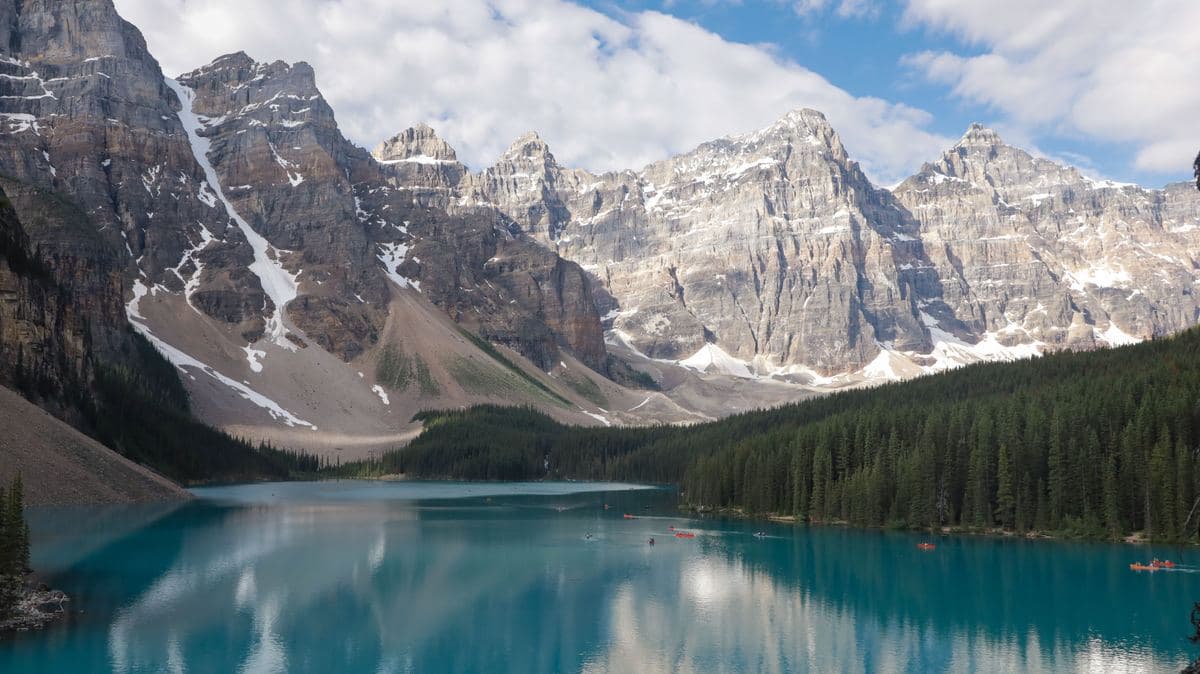
Banff & Lake Louise
Iconic mountain scenery, turquoise lakes, hiking, sightseeing and year-round Rocky Mountain experiences.
Explore Banff & Lake Louise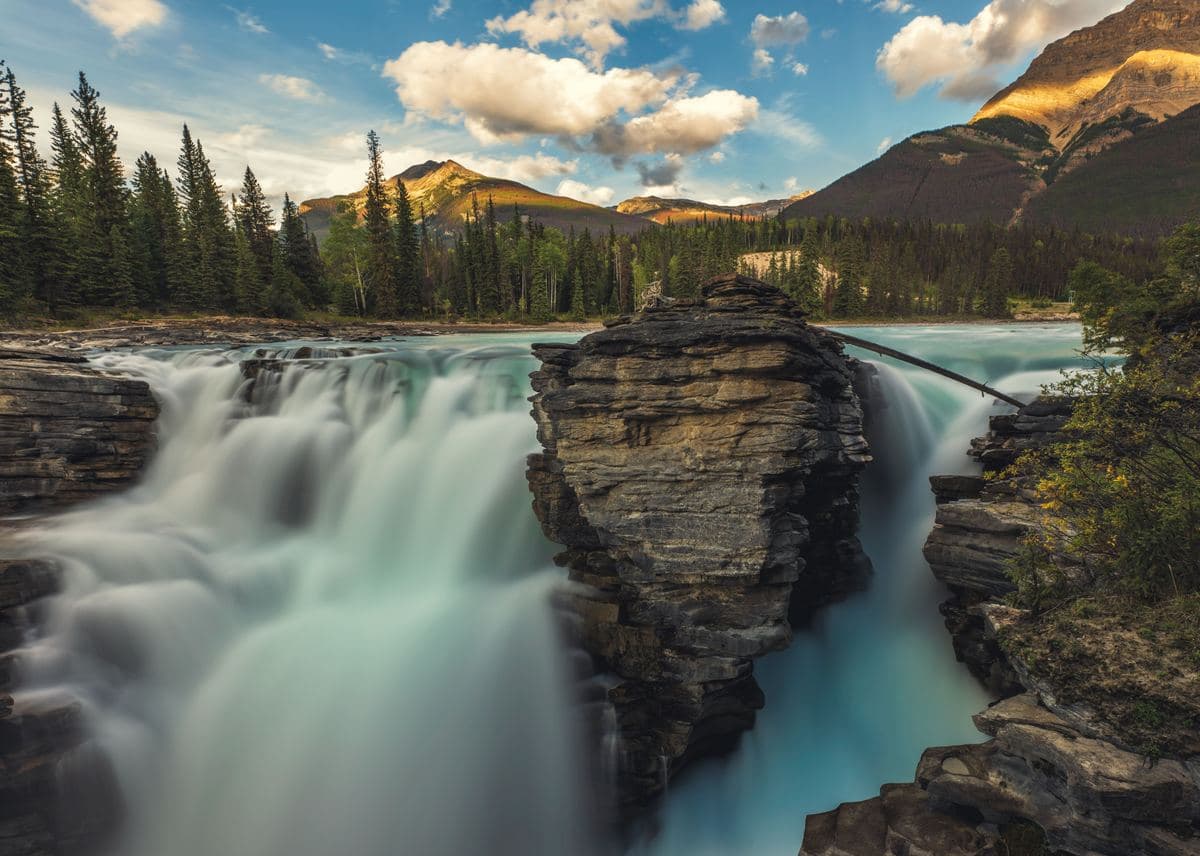
Jasper
Alberta's largest national park: glaciers, dark skies, wildlife and quieter trails than the Banff corridor.
Explore Jasper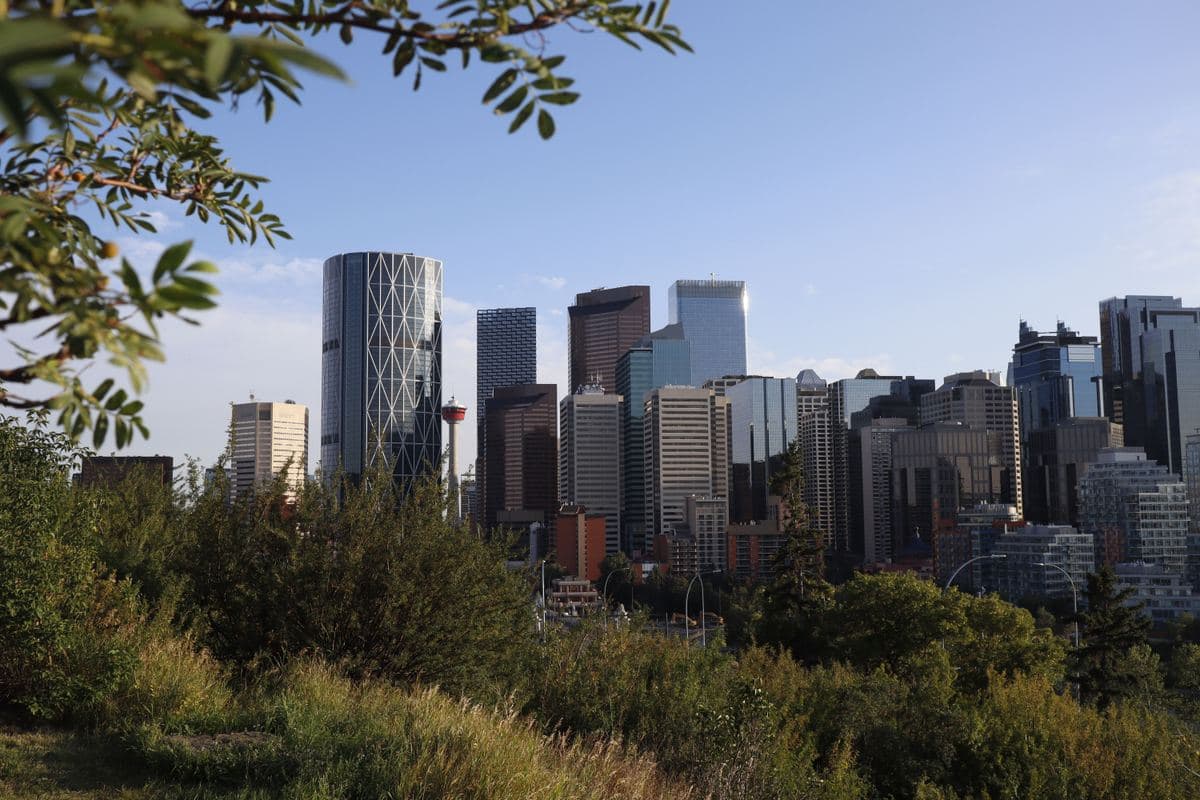
Calgary
Alberta's largest city and a common starting point for exploring the Canadian Rockies.
Explore Calgary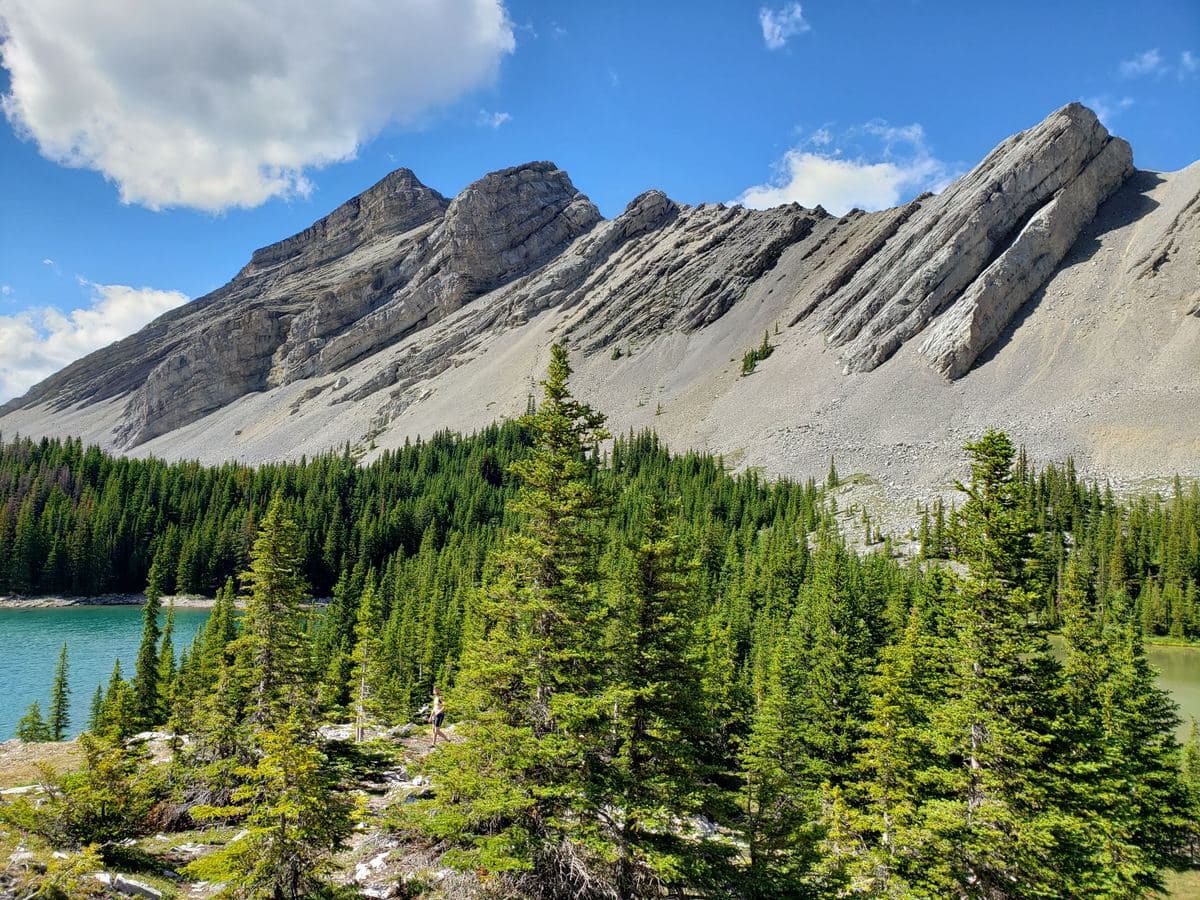
Canmore & Kananaskis
A mountain town and the provincial parks beside it, for the Rockies without the national park crowds.
Explore Canmore & Kananaskis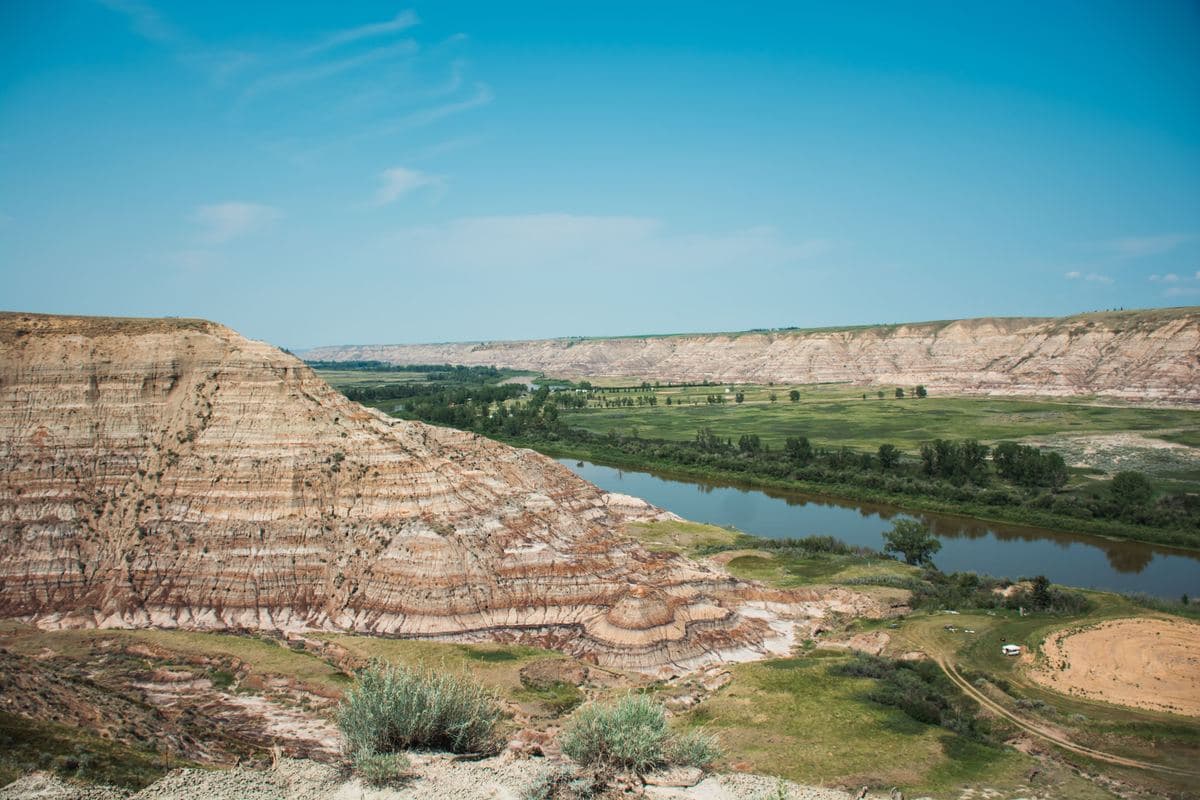
Drumheller & the Badlands
Dinosaur history, unusual landscapes, hoodoos and scenic drives through Alberta's badlands.
Explore Drumheller & the Badlands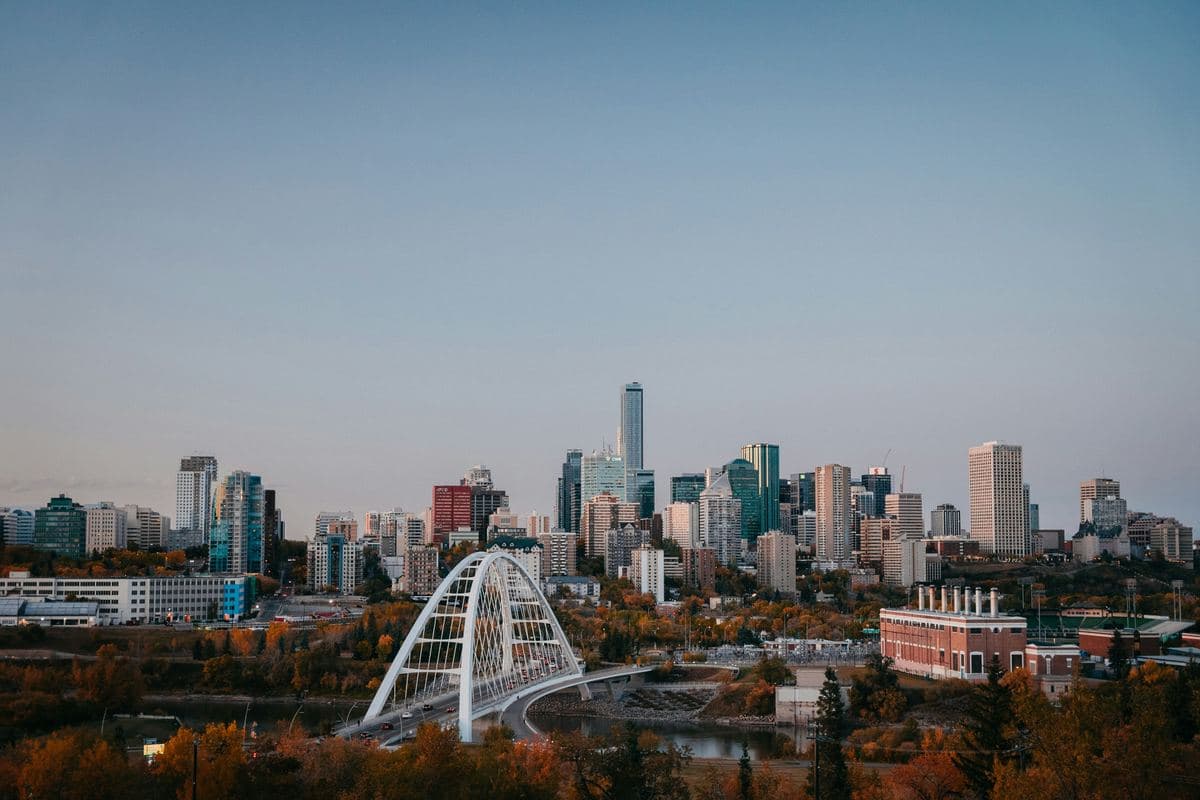
Edmonton
River valley trails, festivals and museums in Alberta's capital, and the northern gateway to Jasper.
Explore Edmonton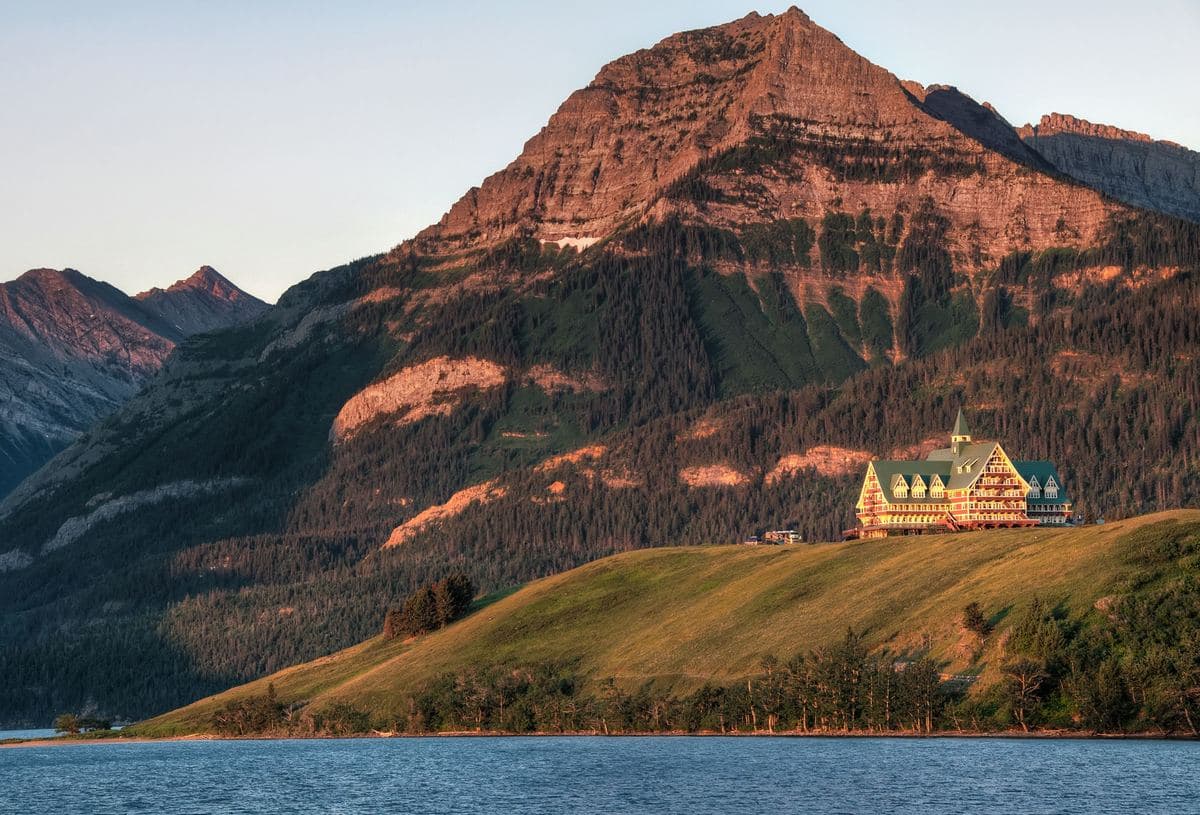
Waterton Lakes
Where the Rockies meet the prairie, in a small, quiet national park on the Montana border.
Explore Waterton Lakes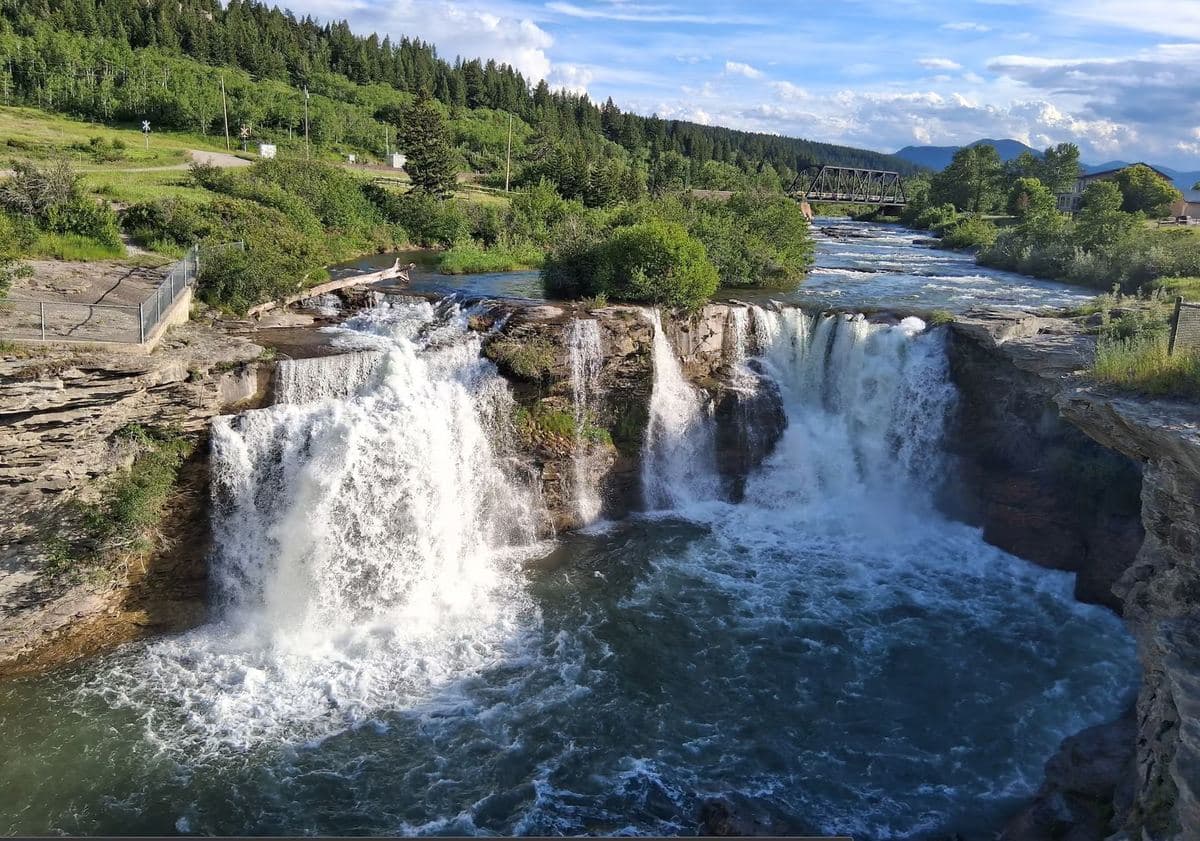
Crowsnest Pass
Historic mining towns, the Frank Slide and quieter trails along the Crowsnest River in southwest Alberta.
Explore Crowsnest PassExplore Alberta with a local
Alberta is home to diverse landscapes, stories, and hidden gems. VELO connects you with local guides who share their knowledge, interests, and language, helping you discover each destination through authentic experiences. Find Alberta guides who speak your language and connect with the right person before booking.

Dash Bunda
Hi, I’m Dash, a Filipino tour guide in Canada with a background as a professional bus driver. My years on the road have given me in-depth knowledge of local routes, hidden gems, and unique destinations beyond the usual tourist spots. I create personalized, safe, and comfortable travel experiences tailored to your interests. As a Tagalog speaker, I’m happy to guide fellow Filipinos or anyone who prefers a Tagalog-speaking experience.

Lindsay Bornau
I'm Lindsay, co-founder of Busy Beavers Touring Co. and a lifelong outdoor enthusiast who grew up hiking and camping across Western Canada. I specialize in creating welcoming hiking and camping experiences that help guests explore the Canadian Rockies with confidence. My guiding style is relaxed, encouraging, and full of laughter. We keep our groups small and often finish the day feeling more like friends than strangers.

Thanh Chu
Mr. Thanh Chu has lived in Calgary for over 15 years and knows Banff National Park and the Canadian Rockies very well. A former university lecturer who studied and traveled extensively in Europe, I'll bring broad knowledge and a passion for sharing local stories and travel tips. Known for my careful driving, friendly personality, and sense of humor, I ensure every guest enjoys a safe, comfortable, and memorable journey.

Jason Rago
My name is Jason. I moved to Calgary in 2022 to lead tours across Alberta, especially the Crowsnest Pass, which I love. I specialize in sightseeing, quirky roadside attractions, waterfalls, and old mining towns. I keep facts minimal, letting the experience speak, and tailor each stop to your pace and interests. What sets me apart is listening to you and adding unique touches, like meals at a local B&B.

Jonathan Samson
I am a nurse as a profession who finish my school in my own country which is phillippines.I move in canada way back 2018 and work as a nurse in a remote town in BC. In 2020 i decided to move in alberta. I specialize in guided sightseeing tours throughout Banff national park and the Canadian rockies. with focus on creating safe, comfortable, and memorable experiences for every guest. My guiding expertise includes Lake louise, Moraine lake, Peyto lake, Bow lake and the Icefield parkway.

Dhon Del Rosario
Hi my name is Dhon! I have been in Canada for 15 years now. I'm lucky to be part of Dash The Driver making their experience exceptional and memorable! Before moving to Calgary, I was a resident of Canmore, Alberta, wherein 360 Degrees view of mountains welcomes you every morning! Aside from driving you and leading you safely to their destination, I make sure to provide details of their itinerary and guide you to tourist spots but making sure to take great photos as well!
Experience Alberta your way
Alberta is vast, and every traveller has different priorities. Whether you want to focus on iconic destinations, hidden gems, photography spots, or cultural experiences, a private custom tour gives you the flexibility to create a journey that fits you. Learn more about why travellers choose private and custom tours in Alberta
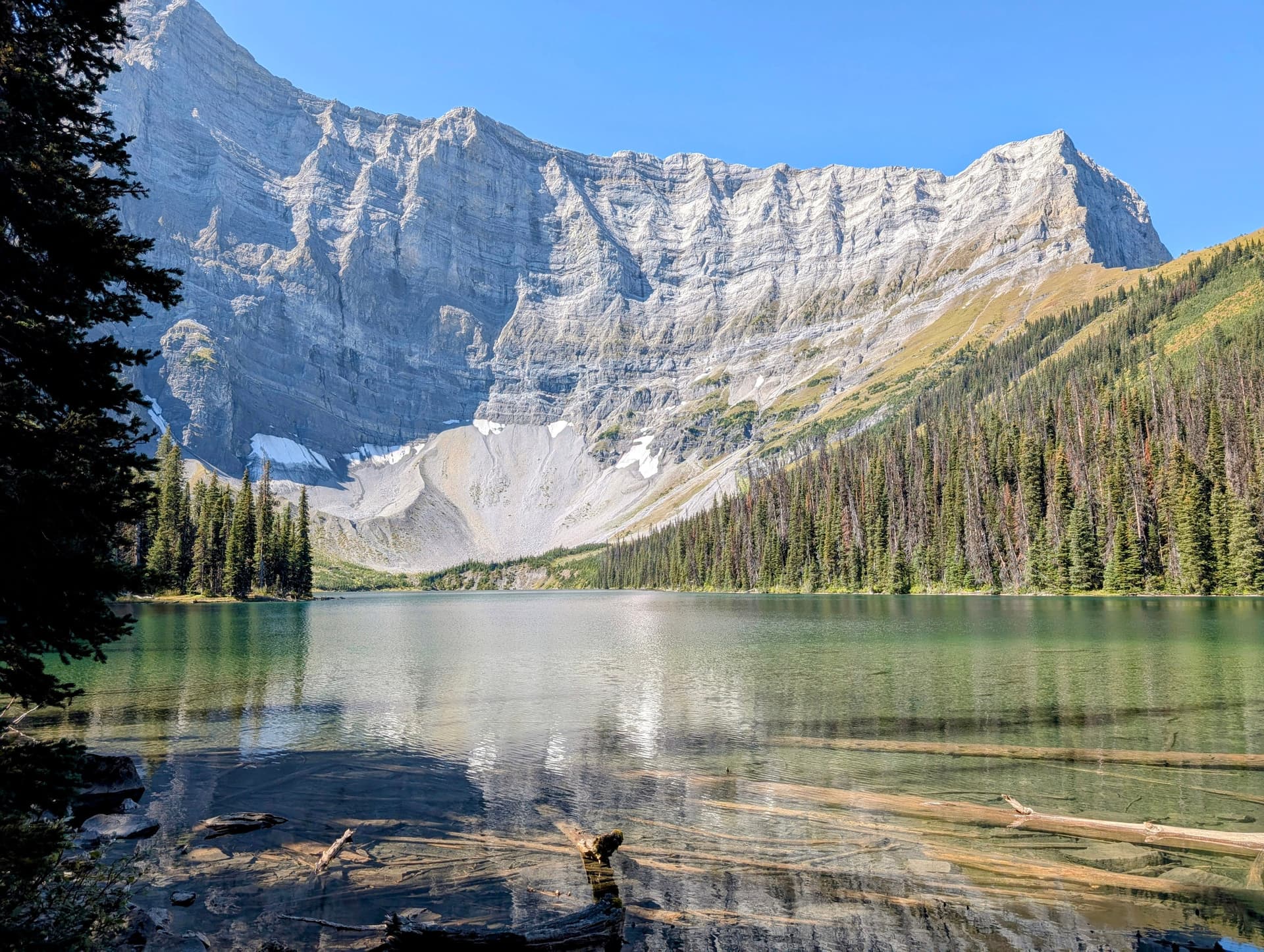
Canadian Rockies Full-Day Guided Hiking Tour
with Lindsay Bornau
Kananaskis
$132 CAD
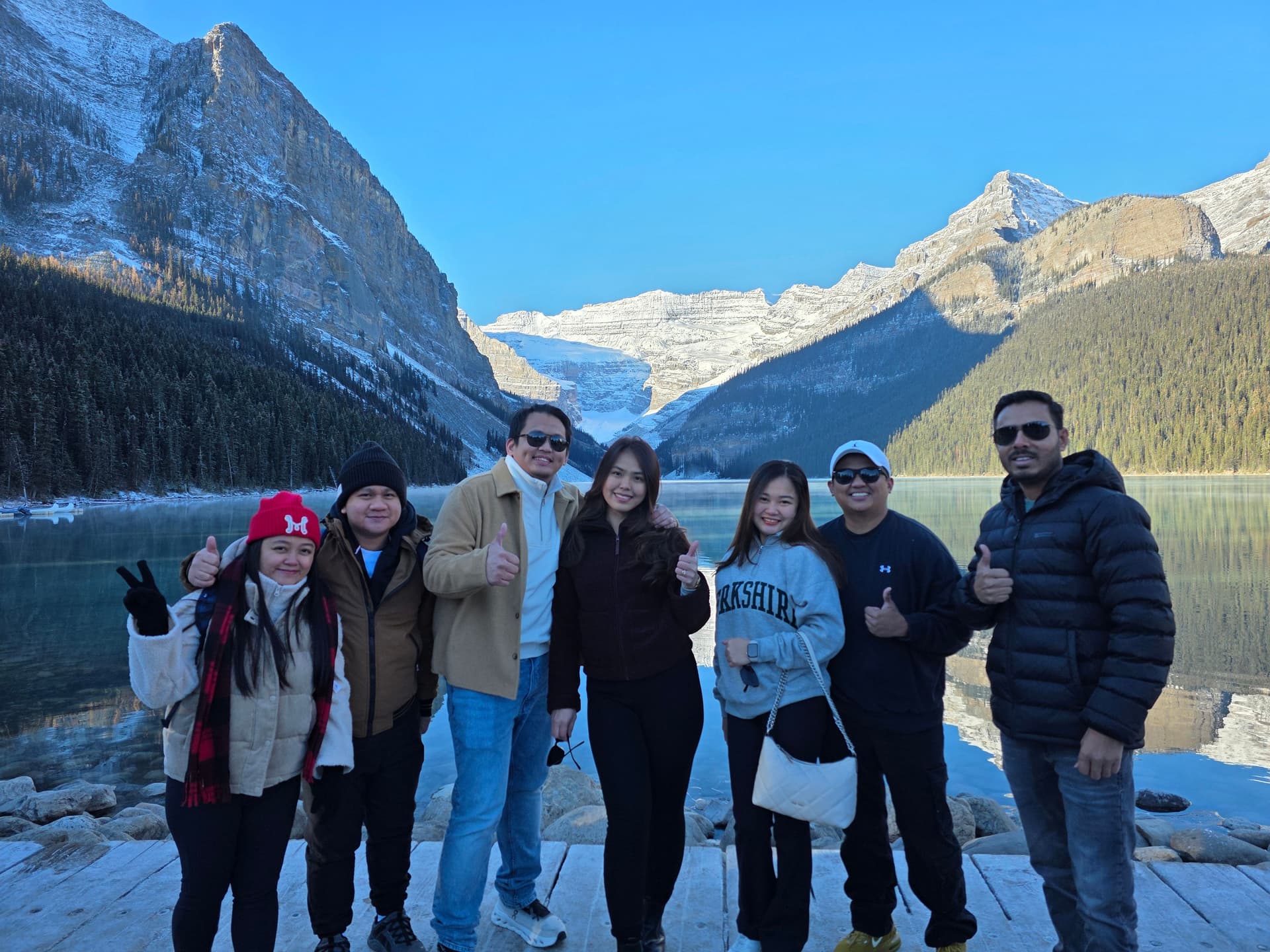
Banff, Jasper & Yoho Parks Custom Tour
with Yug Borad
Icefield Parkway
$699 – $1,400 CAD
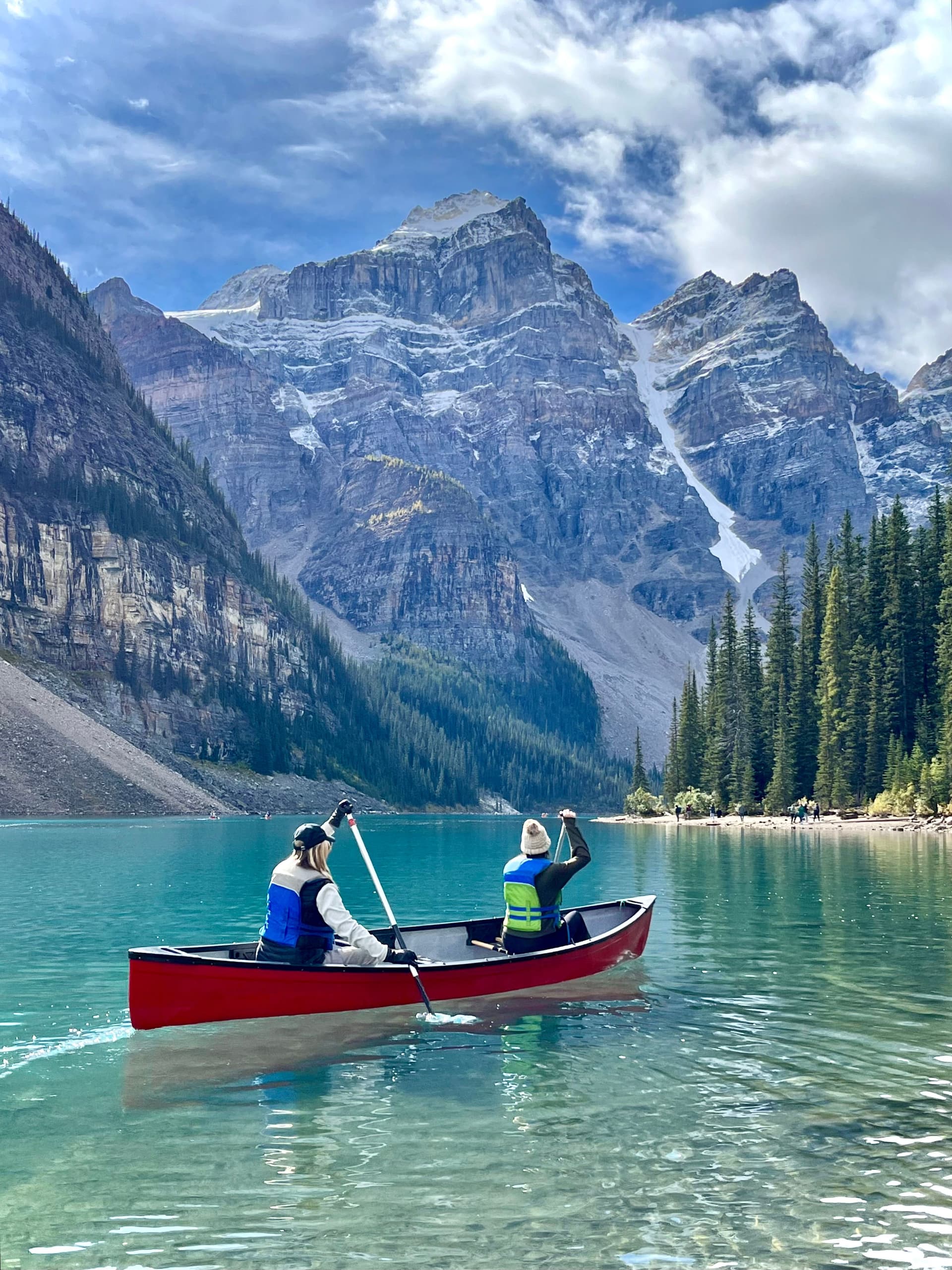
Lake Louise & Moraine Lake Tour
with Jeff Samson
Banff
$135 CAD
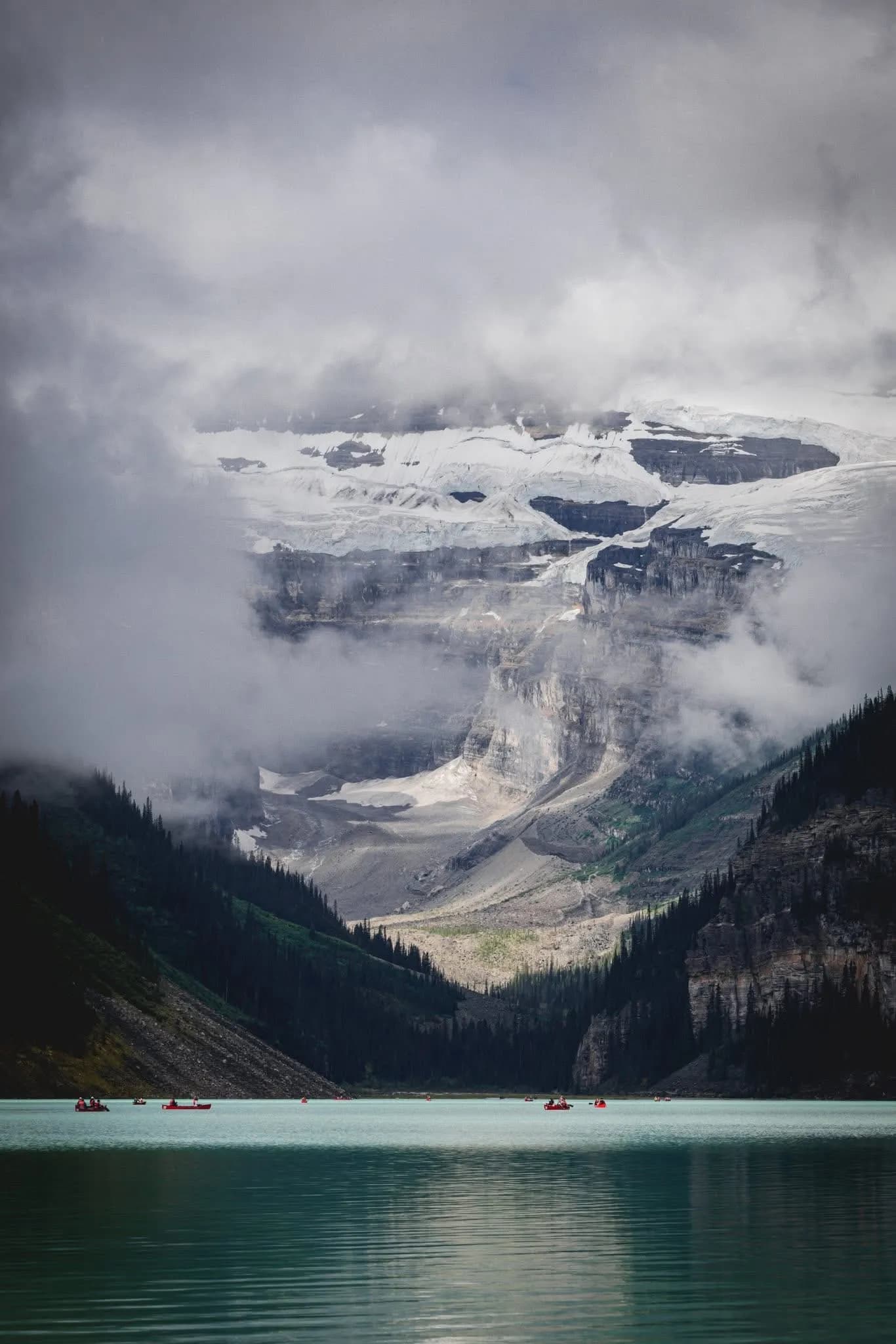
Two Lakes (Moraine Lake/Lake Louise) Half Day Tour
with Jonathan Samson
Banff
$75 CAD
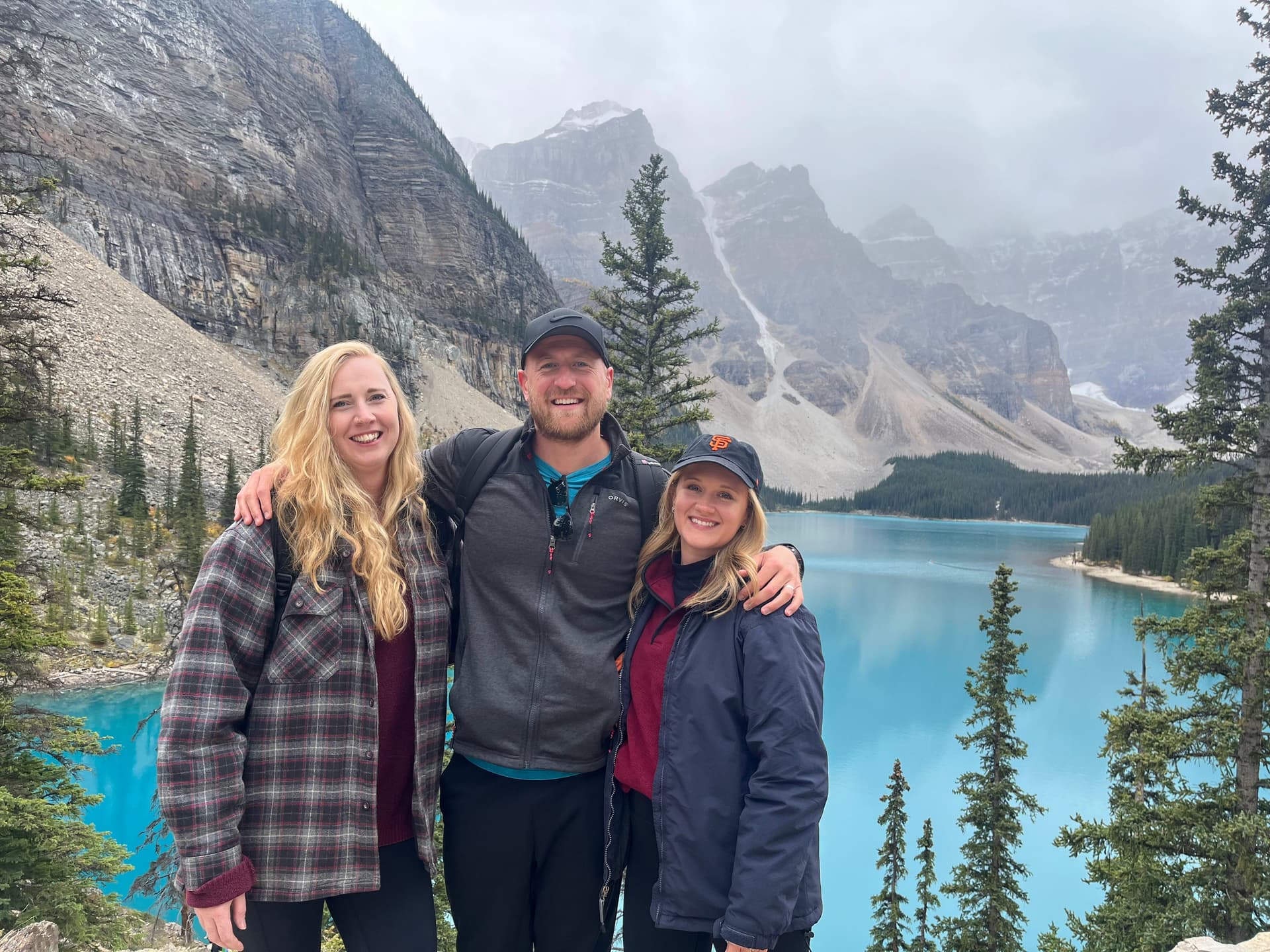
Private Moraine Lake, Lake Louise & Emerald Lake
with Russell B
Banff
$1,413 – $2,199 CAD
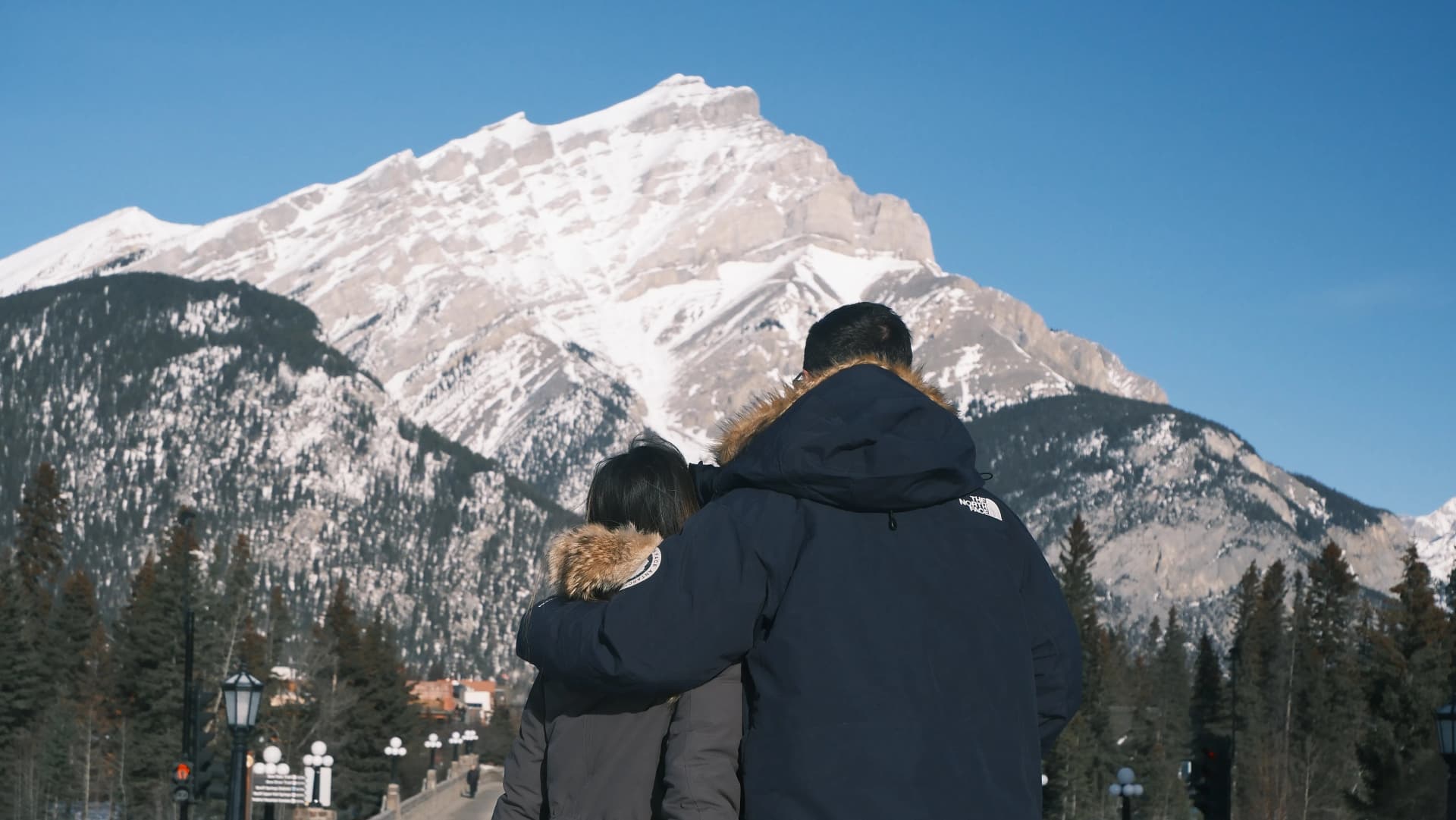
Banff Romantic Highlights: Banff Gondola & "Can This Love Be Translated" Vistas
with Travis C
Banff
$1,500 CAD
Alberta travel questions
What are the must-see places in Alberta?
Alberta’s must-see destinations include Banff and Jasper National Parks for their mountain scenery, lakes, wildlife, and outdoor adventures. Beyond the Rockies, travellers can explore Calgary and Edmonton for city experiences, Drumheller for dinosaur history and Badlands landscapes, Kananaskis for quieter mountain adventures, and Waterton Lakes for a unique mix of mountains and prairie.
What are the best things to do in Alberta besides hiking?
Alberta offers many experiences beyond hiking, including scenic drives, wildlife viewing, canoeing, mountain gondolas, hot springs, photography, cultural attractions, and food experiences. Local guides can also help travellers discover hidden gems and unique activities that may not be part of typical tourist routes.
Should I book tours or explore Alberta on my own?
Exploring Alberta independently offers flexibility, while guided experiences provide local knowledge, convenience, and personalized itineraries. A local guide can help you discover less-known places, understand the destination better, and make the most of your time, especially when traveling across Alberta’s large and diverse regions.
How do I choose a local guide in Alberta?
Choose a guide based on their local knowledge, experience, interests, communication style, and the type of experience you want. Consider factors such as language, group size, certifications, reviews, and whether their expertise matches your travel goals.
Can I find Alberta guides who speak my language?
Yes. Many Alberta guides offer experiences in different languages, making it easier for international travellers to communicate, learn about local culture, and enjoy a more comfortable experience. VELO helps you find Alberta guides who speak your language and connect with the right guide before booking.
Are private tours in Alberta worth it?
Private tours are a great option for travellers who want a more personalized experience. They allow you to customize your itinerary, travel at your own pace, focus on your interests, and benefit from a guide’s local knowledge without following a fixed group schedule.
What are the most scenic drives in Alberta?
Alberta’s most scenic drives include the Icefields Parkway between Banff and Jasper, the Bow Valley Parkway, Kananaskis mountain routes, the David Thompson Highway, and the Dinosaur Trail near Drumheller. Each route offers a different perspective of Alberta’s mountains, wildlife, history, and landscapes.
Is Banff or Jasper better for a first visit?
Banff is more accessible and offers many iconic attractions, making it a popular choice for first-time visitors. Jasper provides a quieter mountain experience with more wilderness, wildlife, and a slower pace. Many travellers visit both to experience the different sides of the Canadian Rockies.
What are the best Alberta experiences for families?
Family-friendly experiences in Alberta include visiting mountain lakes, wildlife viewing, scenic drives, gondola rides, dinosaur attractions in Drumheller, and easy-access natural landmarks. Private or small-group tours can also be customized around children’s ages, interests, and comfort levels.
What should I look for when booking an Alberta tour?
When booking an Alberta tour, consider the guide’s experience, what is included, group size, itinerary flexibility, safety standards, reviews, and cancellation policies. The best experience is one that matches your interests, travel style, and expectations.